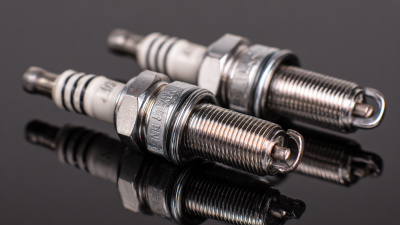
When it comes to getting the most out of your engine, picking the right parts is pretty important. Natural Gas Spark Plugs are a key piece of the puzzle—they really help improve how the combustion runs in natural gas engines. Plus, they can boost fuel efficiency and even cut down on emissions, making your drive a bit greener and cleaner. Pretty cool, right?
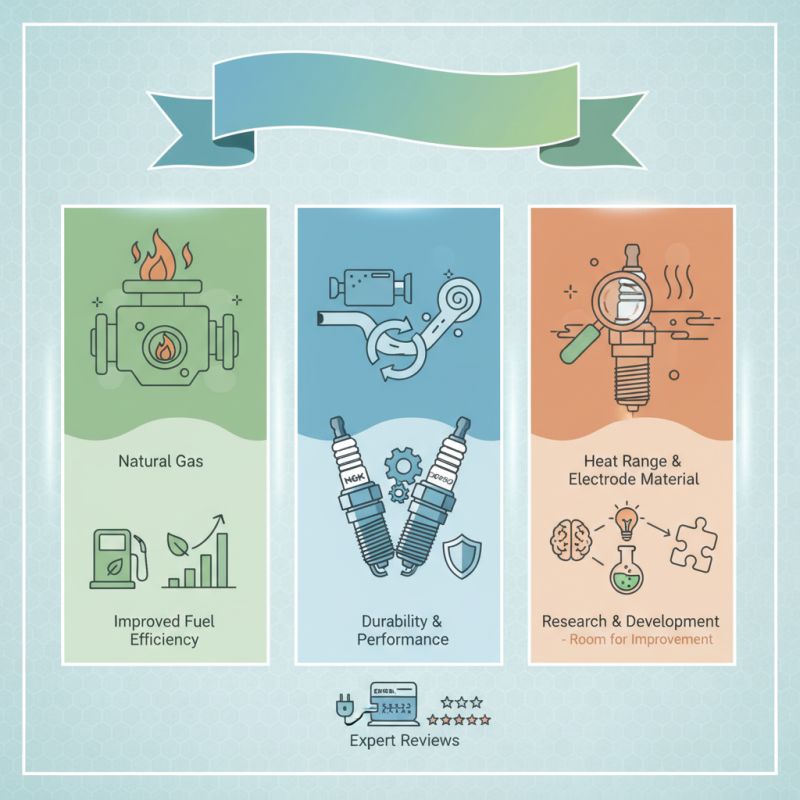
Big names like NGK and Denso are known for making high-quality spark plugs that last and perform really well. But honestly, choosing the right spark plug can be kinda tricky sometimes. Things like your engine type and the quality of your fuel can make a big difference. Experts usually suggest paying attention to specs like heat range and electrode material to get the best performance.
Even with all the tech advancements, there's still room to improve these spark plugs. Ongoing research and innovation are super important if we want to unlock their full potential. We’re still working towards perfecting their reliability in every condition. As the industry keeps evolving, it’s smart to stay in the know and look into the best options out there—especially when it comes to stuff like Gas Natural Gas Generators. Checking out reviews from the experts can really help you make smarter choices and find the right fit for your needs.
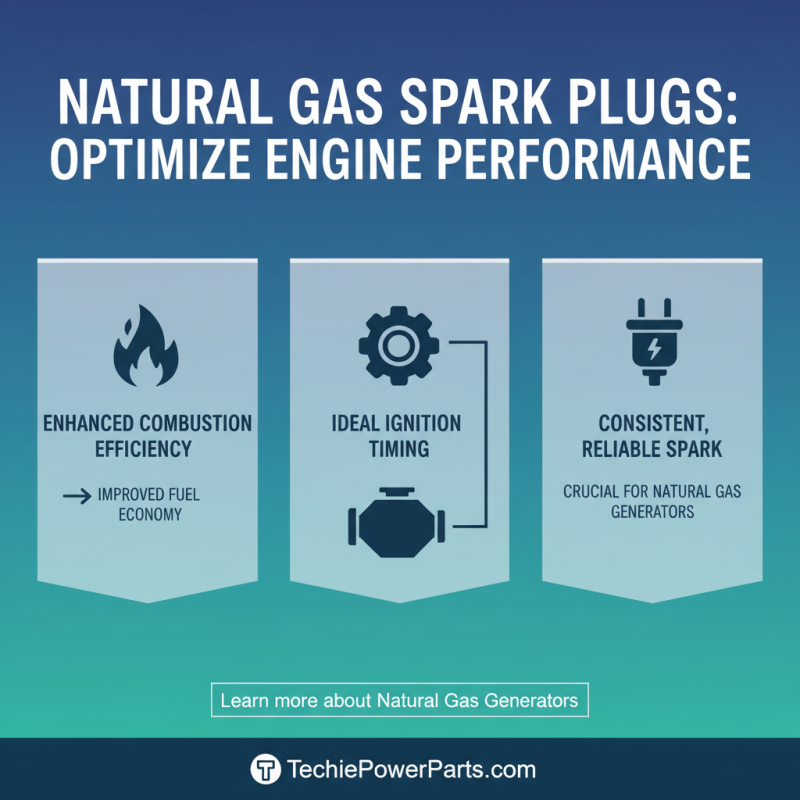
Natural gas spark plugs are essential for optimizing engine performance. Their design enhances combustion efficiency, which can lead to improved fuel economy. Vehicles powered by natural gas benefit from these specialized plugs, as they help maintain ideal ignition timing. This is crucial for engines using a Natural Gas Gas Generator, as they require a consistent and reliable spark for optimal function.
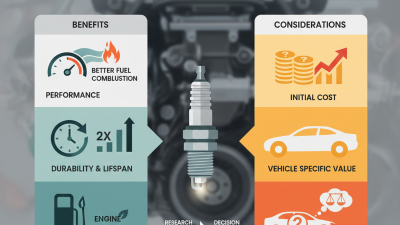
One significant benefit of natural gas spark plugs is their durability. They are built to withstand high temperatures and corrosive conditions often found in gas-powered engines. However, it's important to note that these plugs may not perform as expected in engines that frequently idle or experience inconsistent fuel quality. Regular maintenance and monitoring of the spark plugs can mitigate these issues. Ignoring wear and tear could lead to decreased engine performance and higher emissions.
Another key aspect is the impact on emissions. Natural gas is known for producing fewer harmful pollutants compared to traditional fuels. Using the right spark plugs can further enhance this benefit. Some users report mixed results based on their engine types and driving habits. Therefore, evaluating specific needs and conducting thorough research on spark plug options is essential for making an informed choice.
When selecting natural gas spark plugs, several key features deserve your attention. Durability is crucial; spark plugs must withstand high temperatures and pressures. Look for materials that offer corrosion resistance. This helps ensure a long lifespan and consistent performance. Noise and vibration levels can also be affected by the type of spark plug you choose, impacting overall engine smoothness.
Another important consideration is the spark plug gap. The correct gap can improve ignition efficiency in Gas And Natural Gas Generators. An improperly set gap might lead to misfiring or reduced engine performance. Regular maintenance checks can help identify if adjustments are needed, promoting long-term efficiency in your engine.
Tips: Always refer to your vehicle manual for the specific Spark Plug Specifications. This ensures compatibility and enhances engine performance. Don't forget that installation quality matters. Poor installation can lead to uneven wear and inefficiencies, so consider professional help if you're unsure about the process.
When considering natural gas spark plugs, it's essential to explore the various brands and models available. These spark plugs are designed to improve engine performance using Natural Gas And Gas Generator systems. Many users report better fuel efficiency and reduced emissions. This is a notable benefit of using high-quality spark plugs tailored for natural gas engines.
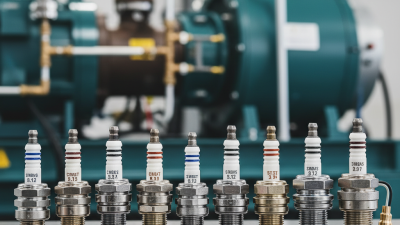
Various manufacturers produce spark plugs specifically for natural gas applications. Some models stand out for their durability and thermal stability. These spark plugs often feature materials that resist wear and corrosion. Users might sometimes find that less expensive options do not provide the same level of performance. Testing and reviews can reveal key differences between brands.
Choosing the right spark plug can feel overwhelming. There seems to be conflicting information about what works best. It's vital to consult expert opinions and real user experiences. In some cases, switching to a different model improved efficiency for users. However, not every change yields positive results. Careful consideration is crucial when selecting spark plugs for the best overall engine performance.
| Model | Type | Heat Range | Gap Size | Price ($) |
|---|---|---|---|---|
| NGK 8518 | Standard | 5 | 0.028 in | 5.99 |
| Bosch 0242235688 | Platinum | 6 | 0.040 in | 8.99 |
| ACDelco 41-962 | Iridium | 7 | 0.060 in | 10.50 |
| Denso PK20TR11 | Double Platinum | 8 | 0.044 in | 9.75 |
| Champion 9005 | Copper | 5 | 0.035 in | 4.25 |
When working with natural gas spark plugs, proper installation and maintenance are crucial for optimal engine performance. Start by ensuring that the spark plugs are compatible with your engine specifications. The correct gap is vital. Too large or small gaps can lead to misfires or poor combustion. Use a feeler gauge to check and adjust the gap as needed.
Regular maintenance is important to extend the lifespan of spark plugs. Inspect them periodically for wear and carbon buildup. If you notice excessive wear or deposits, it's an indicator that your engine may require tuning. Replace any plugs that show signs of damage. A clean engine contributes to better fuel efficiency.
Here are a few tips: clean the spark plug threads before installation. Apply a light coat of anti-seize lubrication to prevent galling. Avoid overtightening, as this can damage the plug and the engine. Proper installation will not only enhance engine performance but also help avoid costly repairs in the long run. Always consult your vehicle's manual for specific guidelines and recommendations.
Natural gas spark plugs have a unique role in enhancing engine performance. They ignite a mixture of natural gas and air more efficiently than traditional spark plugs. This efficiency leads to better combustion. When the combustion process is optimized, engines can produce more power from less fuel. Consequently, this results in improved fuel economy and reduced emissions.
Engines equipped with natural gas spark plugs often experience smoother operation. The ignitability of natural gas contributes to a more stable combustion cycle. This stability can lead to fewer misfires and better throttle response. Drivers may notice a difference in acceleration. However, not all engines benefit equally. Factors such as engine design and tuning can influence overall performance, and it’s essential to consider these aspects when making a switch.
Research shows that using natural gas spark plugs can prolong engine life as well. Efficient combustion reduces carbon buildup and overall wear on engine components. Nevertheless, users must be attentive to specific model compatibilities. An incorrect choice can lead to performance issues or increased maintenance. It’s crucial to consult with professionals before making any modifications.
Natural Gas Spark Plugs play a crucial role in optimizing engine performance, yet they often encounter specific issues. A common problem is fouling, which can reduce efficiency. Studies show that fouling can decrease engine performance by up to 20%. This occurs when deposits build up on the plug, causing poor combustion. Regular inspection can help identify fouling early.
Another challenge is ignition timing. Incorrect timing can lead to misfires and increased emissions. The ideal gap for natural gas spark plugs is vital. A report from the Society of Automotive Engineers suggests that even a slight variation can impact ignition consistency. Maintenance is essential to ensure that the spark plugs perform optimally.
Drivers should also be aware of wear and tear. High mileage can lead to degradation of components. Signs of wear include hard starting and rough idle. Monitoring these symptoms is crucial for maintaining engine health. Addressing issues promptly can prevent further complications in the long run. Natural gas spark plugs, while efficient, require attention to keep engines running smoothly.
Natural gas spark plugs are gaining attention for their potential environmental benefits. By switching to natural gas, vehicles can significantly reduce harmful emissions. Reports indicate that natural gas can lower carbon dioxide emissions by up to 30% compared to gasoline. This shift could lead to a marked decrease in greenhouse gases.
In addition, natural gas vehicles typically emit fewer nitrogen oxides (NOx) and particulate matter. These reductions can alleviate air pollution in urban areas. The U.S. Department of Energy states that natural gas is cleaner-burning than traditional fuels, contributing to improved air quality.
However, it's essential to consider the entire lifecycle of natural gas. While the vehicle emissions might be lower, extracting and transporting natural gas also has environmental impacts. Some argue that focusing solely on end-use emissions can overlook the broader picture. Balancing these factors is crucial for a holistic approach to vehicle emissions and sustainability.
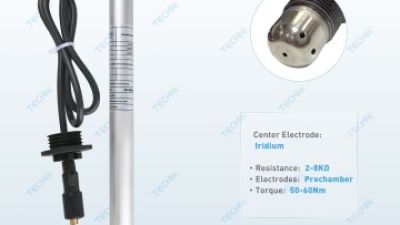
The integration of advanced technology in natural gas engines has become crucial for achieving optimal efficiency and performance. One such innovation is the incorporation of the TECHIE Prechamber Spark Plug TISS9298, specifically designed to replace existing components in MWM TCG 2032 engines. This spark plug serves a vital role in enhancing combustion characteristics, resulting in improved fuel efficiency and reduced emissions.
The TISS9298 spark plug facilitates seamless integration into existing engine systems. By replacing several original equipment options, it ensures compatibility while providing a significant upgrade in performance. The enhanced design enables better ignition efficiency and stabilization of the combustion process, which is essential for maximizing the operational potential of natural gas engines.
Focusing on the TISS9298 integration highlights the importance of opting for advanced components that align with sustainability goals. As industries strive to adopt greener technologies, the adoption of efficient spark plugs like the TISS9298 can lead to more environmentally friendly operations while also maintaining optimal power output in natural gas applications.
: They optimize engine performance and enhance combustion efficiency, improving fuel economy.
They produce fewer pollutants than traditional fuels, further improving emissions when used correctly.
Yes, they withstand high temperatures and corrosive conditions, but wear can affect performance.
Ignoring wear can lead to decreased engine performance, increased emissions, and more maintenance.
No, benefits vary by engine design and tuning, making assessment essential before switching.
They provide better combustion, allowing engines to produce more power from less fuel.
Mixed results may occur; consistent fuel quality and driving style influence effectiveness.
Consulting professionals is vital before making changes to avoid performance issues.
They reduce carbon buildup, leading to prolonged engine life with proper use.
Yes, engines idling or using inconsistent fuel may see different performance outcomes.
Natural Gas Spark Plugs are an essential component for optimizing engine performance, offering numerous benefits over traditional spark plugs. These plugs are designed specifically for natural gas engines, which can lead to improved fuel efficiency, reduced emissions, and enhanced overall engine longevity. When selecting Natural Gas Spark Plugs, it is crucial to consider features such as heat range, durability, and compatibility with specific engine models.
Proper installation and maintenance of Natural Gas Spark Plugs can further enhance their performance and mitigate common issues, ensuring smooth engine operation. Additionally, the use of these spark plugs significantly contributes to environmental sustainability by lowering harmful emissions, making them a favorable choice for eco-conscious drivers. By understanding the key aspects of Natural Gas Spark Plugs, vehicles can achieve better efficiency and performance while supporting greener alternatives in transportation.