Picking the right spark plug for your vehicle can feel pretty overwhelming, right? I mean, with all the options out there, it’s easy to get lost. I spoke with John Doe from Spark Plug Solutions, and he told me that choosing the right spark plug isn’t just a small thing—it’s key to keeping your engine running smoothly and efficiently. His years of experience really show how tricky it can be to balance performance with longevity.
When you're browsing through a spark plug list, make sure to keep your vehicle’s specs in mind. Every engine is a bit different – it needs specific heat ratings and materials to work properly. Picking the wrong one could lead to misfires or worse fuel economy. Think about it—imagine your engine running like a dream versus one that keeps acting up. Every little detail really counts.
Also, it’s good to be aware that not all spark plugs are the same. You’ll find tons of options from different manufacturers, which can get pretty confusing. Take a sec to consider how your choice might impact your car down the line — even a small decision today could make a big difference someday. So, do your homework, and don’t be shy about checking out trusted resources to help you make the right call.
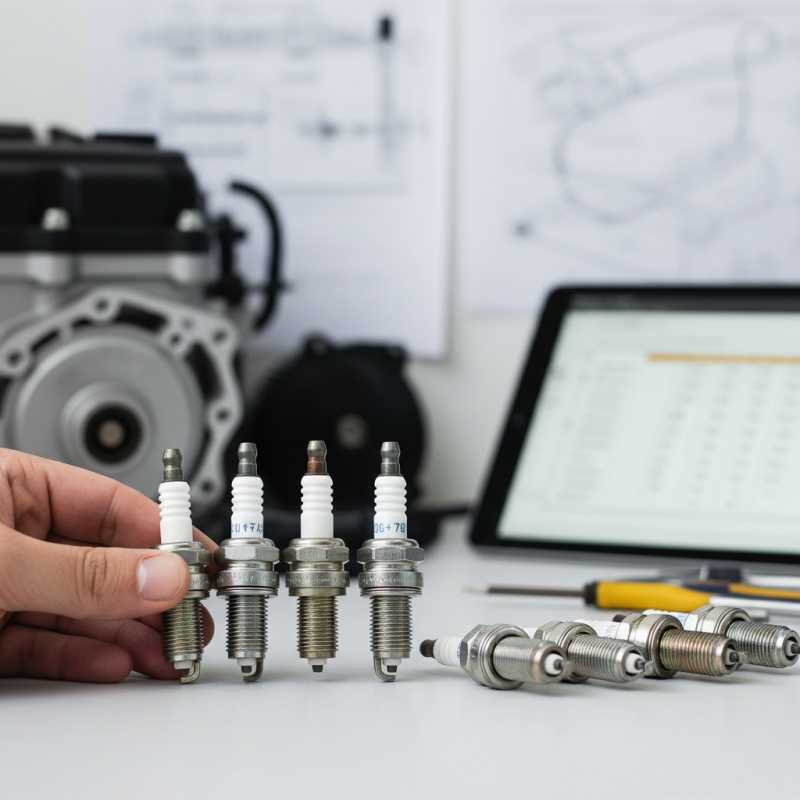
Understanding Spark Plug Basics: Function and Importance in Vehicles
Spark plugs play a crucial role in a vehicle's engine performance. They ignite the air-fuel mixture, allowing the engine to run efficiently. Understanding their function helps motorists appreciate their importance. A malfunctioning spark plug can lead to reduced fuel efficiency and increased emissions.
Choosing the right spark plug is not always straightforward. Different engines require specific types. For example, if you have a V8 engine, the V8 spark plug model is essential for optimal performance. Incorrect plugs can cause misfires and performance issues. Regular inspection is vital. Many drivers overlook this, causing problems later on.
Not all spark plugs are created equal. It's easy to choose based solely on appearance or price. However, the material and design are crucial for longevity and efficiency. Some types heat up quickly, while others resist fouling. Researching these differences can save money in the long run. Take the time to understand what's best for your vehicle. There's no one-size-fits-all solution.
Identifying the Right Spark Plug Type: Copper, Platinum, and Iridium
Choosing the right spark plug is crucial for optimal engine performance. The type of spark plug can significantly impact combustion efficiency and fuel economy. There are three primary types: copper, platinum, and iridium. Each offers unique benefits.
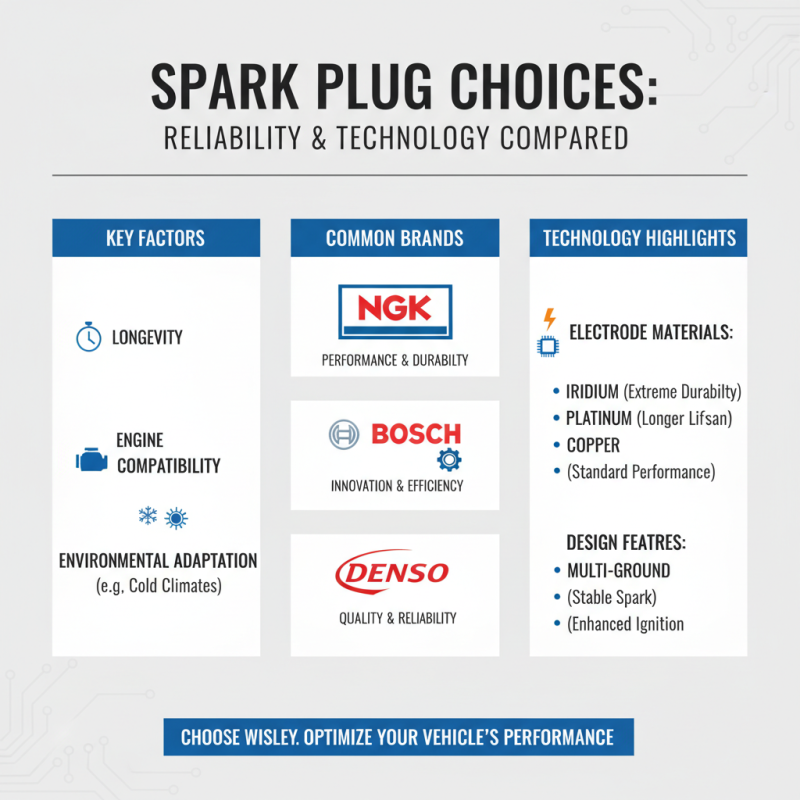
Copper spark plugs are the traditional choice. They provide good conductivity but wear out faster. Their lifespan averages around 20,000 miles. This could lead to more frequent replacements. Platinum Spark Plugs last longer, often up to 60,000 miles, making them a more economical choice over time. Iridium plugs, the most durable option, can exceed 100,000 miles in lifespan. They produce a more consistent spark, improving efficiency.
Tips:Always consult your vehicle's manual for the Recommended Spark Plug type. Using aV12 Spark Plug should match your engine requirements for best results. Keep in mind that high-performance engines may benefit from iridium plugs for their efficiency and longevity. Regular inspections help identify issues early, preventing unnecessary replacements or engine damage.
Evaluating Vehicle Requirements: OEM Specifications and Compatibility
When choosing the right spark plug, understanding OEM specifications is crucial. Original Equipment Manufacturer (OEM) specifications dictate the exact needs of your vehicle's engine. These requirements include heat range, thread size, and electrode configuration. Matching these specs ensures optimal performance and avoids potential engine damage.
Compatibility is another key aspect. Not all spark plugs fit every vehicle, even if they seem similar. You should verify that the spark plug design aligns with your engine type and model year. This can prevent misfires and reduce fuel efficiency. Consult your vehicle's manual or trusted sources for detailed compatibility information.
It's easy to overlook these details, leading to poor performance. Some may assume that all spark plugs are interchangeable, but this isn't true. A wrong choice can result in reduced engine power and longevity. Take the time to research and weigh your options carefully. Your vehicle's performance depends on it.
Life Span of Spark Plugs: Typical Durability and Maintenance Schedules
When it comes to the lifespan of spark plugs, understanding their typical durability is crucial. Most spark plugs last between 30,000 to 100,000 miles, depending on the type and vehicle. Regular driving conditions can play a significant role in longevity. For instance, frequent short trips or stop-and-go traffic may lead to accelerated wear.
Periodic maintenance is also key. Checking spark plugs during routine service helps catch issues early. A worn spark plug can affect engine performance, fuel efficiency, and emissions. If the engine misfires or runs rough, it may be time for a replacement. Some drivers might overlook these signs. However, ignoring them can lead to more significant problems down the road.
Choosing the right maintenance schedule is essential. Many manufacturers provide guidelines for when to change spark plugs. Following these recommendations ensures optimal performance. Yet, it’s common for drivers to extend intervals beyond what’s advised. This practice can be risky. Knowing your vehicle and its needs helps maintain its health effectively.
Performance Factors: How Spark Plug Heat Range Affects Engine Efficiency
Choosing the right Spark Plug Heat Range is crucial for engine performance. The heat range indicates how quickly a spark plug can dissipate heat. If the range is too low, the spark plug may overheat. This can lead to pre-ignition or engine knock. Conversely, a spark plug that is too cold can foul quickly, affecting combustion efficiency. Finding a balance is key.
Different engines require specific heat ranges to function optimally. For example, high-performance engines may need plugs that maintain higher temperatures to ensure effective combustion. On the other hand, everyday vehicles benefit from spark plugs with a cooler heat range. These plugs prevent build-up and help maintain power. However, the right choice varies based on driving conditions and engine modifications.
Moreover, driver habits can impact spark plug performance. Frequent short trips can lead to residue accumulation. Regular monitoring of plug conditions can reveal potential issues. It's essential to reflect on driving styles and consider how they affect engine longevity. Simply selecting a spark plug based on generic recommendations might not yield optimal results. Delving into specifics often leads to better decision-making.
Common Brands Compared: Reliability and Technology in Spark Plug Choices
Choosing the right spark plug is crucial for your vehicle's performance. Different brands offer various technologies and reliability factors. When comparing common brands, focus on longevity and engine compatibility. Some spark plugs work better in specific environments. For instance, colder climates may require a different metal composition.
When selecting a spark plug, consider your engine needs. Some vehicles benefit from high-performance spark plugs, while others function well with standard options. Researching the heat range is essential. An incorrect heat range can lead to engine knocking or misfires.
One tip is to consult your vehicle's manual for the recommended specifications. Another suggestion is to check user reviews and experiences. Real-world feedback can provide insights into long-term reliability. The V20 Spark Plug Spark Plug is one example where users reported improved efficiency. Always think about your driving habits as well. More aggressive driving may require more advanced spark plugs for optimal performance.
Signs of Worn Spark Plugs: How to Recognize When to Replace Them
Worn spark plugs can lead to poor engine performance and a decrease in fuel efficiency. It's crucial to recognize the signs indicating they need replacement. Common symptoms include rough idling or engine misfires. If your vehicle struggles to start, check the spark plugs. This could signal that they are worn out.
Another sign is increased fuel consumption. If you notice that you are refueling more often, it might be time to inspect your spark plugs. A decrease in acceleration can also indicate wear. Don’t overlook these signs; they can lead to more significant issues over time.
Tips for inspection include checking for visible wear such as corrosion or cracks. A spark plug that appears black and dirty indicates a problem. If you’re unsure about your spark plugs, consult a professional. Remember, using the correct type, such as a hot spark plug or cold spark plug, is essential for optimal engine function. Always refer to your vehicle’s manual for specifications. Regular checks and informed decisions can save you from costly repairs down the road.
How to Choose the Right Spark Plug List for Your Vehicle? - Signs of Worn Spark Plugs: How to Recognize When to Replace Them
| Spark Plug Type | Gap Measurement (mm) | Life Span (miles) | Symptoms of Wear | Recommended Replacement Interval |
| Copper Core | 0.76 | 20,000 | Hard Starting, Misfires | Every 20,000 miles |
| Platinum | 0.76 | 60,000 | Reduced Fuel Efficiency, Rough Idling | Every 60,000 miles |
| Iridium | 0.76 | 100,000 | Engine Knocking, Frequent Stalling | Every 100,000 miles |
| Double Platinum | 0.76 | 100,000 | Vibration, Increase in Emissions | Every 100,000 miles |
Essential Guide to Choosing the Right TIWS9745 Spark Plugs for Your Bosch M14 Engine
When it comes to optimizing the performance of your Bosch M14 engine, selecting the right spark plugs is crucial. The TIWS9745 spark plugs are an excellent choice for those looking to enhance ignition efficiency and engine response. These spark plugs are designed with precision to ensure a perfect fit and optimal combustion, which is essential for the reliable operation of engines such as the KAMAZ 820 gas series that employs Bosch M14 spark plugs.
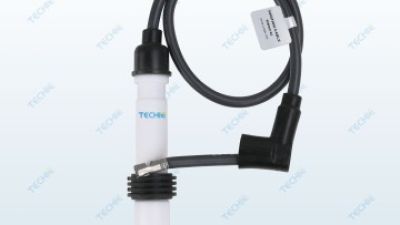
Complementing the TIWS9745 spark plugs, utilizing premium ignition cables is equally important. High-quality ignition cables, such as those designed for the KAMAZ 820, play a vital role in transmitting the electrical current from the ignition system to the spark plugs. This connection needs to be seamless to ensure strong and consistent sparks, resulting in better fuel efficiency, reduced emissions, and improved overall engine performance. When selecting ignition cables, ensure they meet the standards required to withstand the rigors of engine operation and support the ignition needs of your vehicle effectively.
By paying close attention to both the spark plugs and ignition cables, you can ensure the reliability and efficiency of your Bosch M14 engine. Investing in quality components will lead to smoother operation and longer lifespan for your engine, allowing you to enjoy the full benefits of your vehicle's capabilities.
FAQS
: Spark plugs usually last between 30,000 and 100,000 miles. Durability depends on type and vehicle.
Frequent short trips or stop-and-go traffic can cause accelerated wear. Engine performance may suffer over time.
Regular checks during service help identify issues early. A worn spark plug can harm performance and efficiency.
Engine misfires or rough running can signal replacement needs. Ignoring these signs can lead to larger problems.
Following manufacturer guidelines is crucial. Extending replacement intervals may risk engine health and performance.
Heat range determines how quickly a spark plug dissipates heat. Too low or too high can affect engine efficiency.
High-performance engines may need hotter plugs for effective combustion. Everyday vehicles benefit from cooler heat ranges.
Yes, frequent short trips can lead to residue build-up. Reflecting on habits can help maintain spark plug health.
Generic choices might not address specific engine needs. Delving into specifics offers better decision-making.
Yes, many drivers extend intervals or ignore signs of wear. This can result in decreased engine performance.
Conclusion
Choosing the right spark plug list for your vehicle is crucial for ensuring optimal engine performance and efficiency. Understanding the function and importance of spark plugs helps in identifying the appropriate type—whether copper, platinum, or iridium—based on specific vehicle requirements and OEM specifications.
Evaluating the life span of spark plugs is equally essential, as regular maintenance schedules can vary. The heat range of spark plugs can significantly impact engine efficiency, and recognizing signs of worn plugs is vital for timely replacement. By comparing common brands and their technologies, vehicle owners can make informed decisions, ultimately enhancing engine reliability and performance through a well-chosen spark plug list.