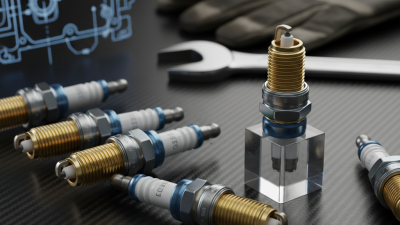
When you're picking out special spark plugs for your car, it's super important to really understand what your vehicle needs. I recently read a report from the Automotive Aftermarket Suppliers Association (AASA) that says using the right spark plugs can boost your engine's performance and fuel efficiency by up to 30%. That just goes to show how critical it is to choose the right type — you definitely want to avoid costly repairs down the line and keep your car running smoothly.
Dr. Emily Hart, an automotive engineer at Precision Parts Co., kinda nails it when she says, "Special spark plugs can make a huge difference in how your engine performs." Her advice is to think about things like your engine’s design and how you typically drive before making a pick. These plugs aren’t one-size-fits-all—they’re designed for different uses, affecting stuff like fuel use and emissions.
Getting the wrong spark plugs can really drag down your engine’s performance. It’s a sign that you’re paying attention to your car’s upkeep and trying to keep it in good shape. Since precision really matters in this kind of stuff, understanding what specs your spark plugs need can save you from messing up your driving experience and spending extra money. Trust me, a little extra care here can go a long way.
Understanding the Role of Spark Plugs in Engine Performance
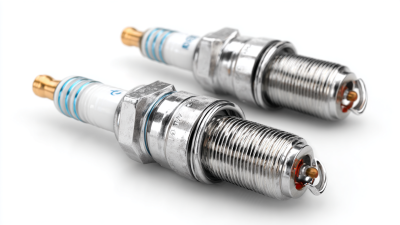
Spark plugs play a crucial role in engine performance. They ignite the air-fuel mixture within the combustion chamber. This ignition is vital for efficient engine operation. A poorly performing spark plug can lead to misfires, decreased power, and increased emissions.
Understanding the specifics of spark plugs can help improve your vehicle’s efficiency. Different engines require different spark plug types. Factors like heat range and electrode design greatly affect performance. For example, a colder spark plug may help in high-performance engines, while others may need hotter options in standard vehicles.
Incorrect spark plugs can cause issues that could have been avoided. This might lead to further engine damage over time. Not all spark plugs are created equal. Variations include materials and designs that suit specific driving conditions. Choosing the right spark plug is essential but can be confusing. Consider consulting experts or performing thorough research to find the best fit for your vehicle.
How to Choose Special Spark Plugs for Your Vehicle Needs?
This chart illustrates the average lifespan (in miles) of different types of spark plugs commonly used in vehicles. Understanding these differences can help you choose the right spark plugs for your engine performance needs.
Types of Spark Plugs: Which One Fits Your Vehicle?
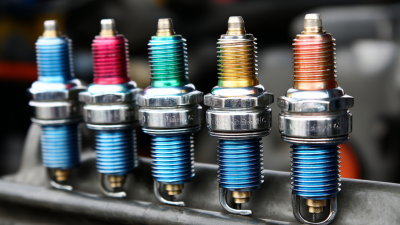
When it comes to spark plugs, understanding the types available can greatly enhance your vehicle’s performance. There are several options, including copper, iridium, and Platinum Spark Plugs. Each type has its own unique benefits and drawbacks.
Copper spark plugs are generally the cheapest option but wear out faster. They may be ideal for older vehicles with simple ignition systems. On the other hand, iridium spark plugs offer longevity and improved performance. Their fine wire design allows for better ignition. However, they come at a higher price.
Platinum Spark Plugs strike a balance between cost and efficiency. They last longer than copper plugs and offer good performance. Still, some may question if the price justifies the lifespan. The choice often boils down to your driving habits and vehicle age. Understanding how each spark plug type affects your engine can lead to better decisions. It's crucial to reflect on your specific needs when making this choice.
How to Choose Special Spark Plugs for Your Vehicle Needs? - Types of Spark Plugs: Which One Fits Your Vehicle?
| Spark Plug Type | Features | Best For |
| Copper Core | Good conductivity, low cost, simple design | Older vehicles, standard performance |
| Platinum | Longer lifespan, more efficient than copper | Modern vehicles, improved performance |
| Iridium | Superior durability, excellent conductivity | High-performance vehicles, long intervals |
| Double Platinum | Both electrodes are platinum; promotes consistent firing | Vehicles with waste Spark Ignition Systems
|
| Specialty (e.g., Racing) | Designed for high-performance applications, various materials | Racing and modified vehicles, extreme conditions |
Identifying Your Vehicle Requirements for Spark Plug Selection
When selecting spark plugsfor your vehicle, it's vital to tailor your choice based on specific needs. The type of engine, fuel type, and climate can greatly influence Spark Plug Performance. According to industry reports,high-performance and turbocharged engines often require specialized plugs that can withstand higher temperatures and pressures. These plugs typically feature advanced materials like iridium or platinum.
Additionally, understanding your vehicle's ignition system is crucial. Traditional ignition systems may work well with standard copper plugs, but modern systems benefit from a more durable option. A recent survey by the Automotive Industry Association indicates that 65% of vehicle owners do not consult their manual when choosing spark plugs. This can lead to improper selections.
Spark Plugs Changing should be routine maintenance. Many engines recommend inspection every
30,000 miles, but this can vary. Factors such as driving habits and environmental conditions can affect lifespan. Most importantly, always ensure compatibility with your engine's specifications. Suboptimal choices can lead to
misfires and decreased fuel efficiency, highlighting the need for informed decision-making.
Material Differences: Copper, Platinum, and Iridium Spark Plugs
When selecting spark plugs for your vehicle, it's crucial to understand the material differences between options like copper, platinum, and iridium. Each type offers unique benefits that can affect your vehicle's performance. Copper spark plugs are often the most affordable choice. They conduct electricity well but have a shorter lifespan. If your vehicle requires frequent replacements, this might lead to increased costs over time.
Platinum spark plugs provide a middle ground. They last longer than copper options while maintaining good conductivity. They can improve fuel efficiency and reduce the frequency of changes. Iridium spark plugs stand out as the premium choice. They offer excellent longevity and stability. Their fine-wire design enhances ignitability, which can result in smoother operation.
Many people overlook the importance of using the correct spark plugs for their engines. Some switch to premium materials for performance but forget to maintain their vehicle accordingly. Others may not realize that Original Spark Plugs can be specific to their model. Ensuring compatibility with your vehicle helps avoid potential issues. Investing time in research will ultimately lead to better performance and efficiency.
Evaluating Spark Plug Heat Range for Optimal Performance
Selecting the correct spark plug heat range is crucial for your engine’s performance. The heat range determines how quickly the spark plug can dissipate heat. If the range is too hot, it can lead to engine knock. Conversely, if it's too cold, it may not reach the optimal temperature to self-clean. According to the Society of Automotive Engineers, optimum heat range allows the plug to perform efficiently without misfiring or fouling.
Research from various automotive testing laboratories shows that operating temperatures can vary significantly. For example, a standard range could be about 450 to 850 degrees Fahrenheit. Maintaining this range ensures better ignition and overall engine efficiency. However, many vehicle owners overlook the importance of this aspect. Ignoring recommended specifications can lead to poor acceleration and increased fuel consumption, which most drivers wish to avoid.
Real-world testing shows that excessive heat can damage engine components, creating price disparities in repairs. While a plug that performs well in one vehicle may fail in another, understanding your specific needs is essential. Be aware of your driving conditions, like terrain and climate. Conduct regular inspections, especially if you notice engine performance issues. This reflection helps in making informed decisions, ultimately leading to better vehicle maintenance.
How to Check Your Existing Spark Plugs for Wear and Tear
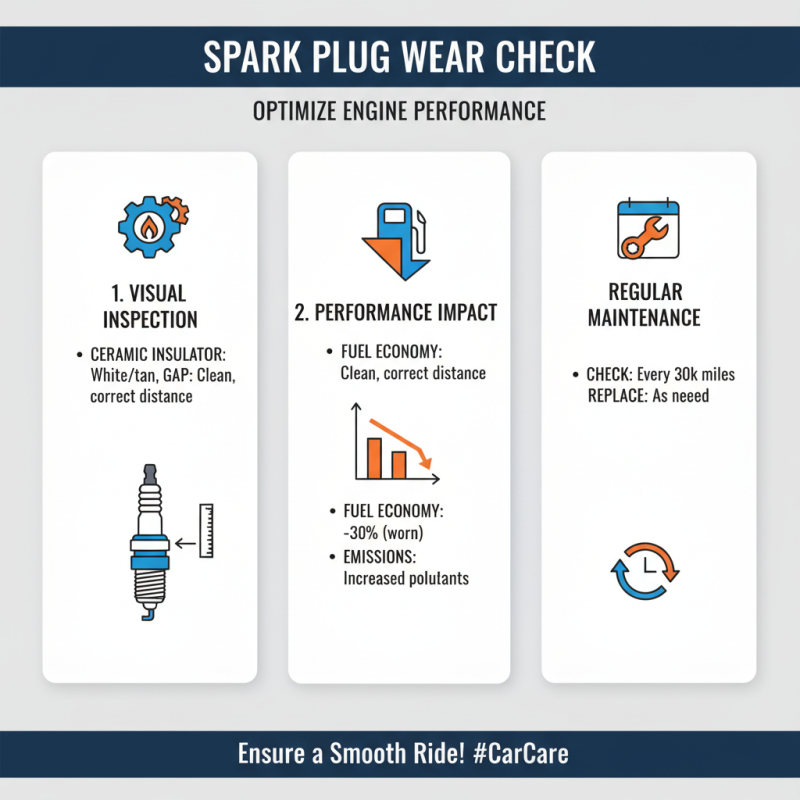
Checking your existing spark plugs for wear and tear is crucial for optimal vehicle performance. Spark plugs act as the ignition source for your engine, and any degradation can lead to misfires and reduced efficiency. Industry data shows that worn spark plugs can cause a 30% drop in fuel economy and increased emissions. Inspecting them regularly helps avoid these issues.
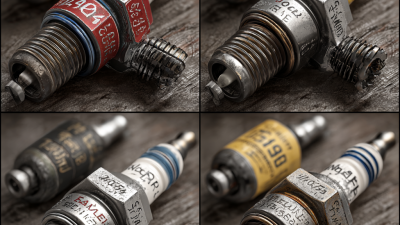
Look for signs of wear, such as discoloration or erosion of the electrode. If there’s oil fouling or carbon build-up, it indicates more serious engine problems. The Spark Plugs Location is critical; accessing them can require some effort, which might deter thorough checks. Utilize a socket wrench to remove the plugs carefully. When inspecting, make sure to keep the spark plug gap within manufacturer specifications.
Tips: Regular checks can save money long-term. Replace worn sparks every 30,000 to 100,000 miles, depending on your vehicle. Keeping records of replacements helps track wear patterns. Remember, a seemingly small issue like a dirty spark plug can lead to larger repair bills down the road.
Installation Tips for New Spark Plugs to Ensure Proper Function
Installing new spark plugs is crucial for your vehicle's performance. Start with the right tools. Gather a spark plug socket, torque wrench, and dielectric grease. Make sure your workspace is clean. A messy environment can lead to mistakes.
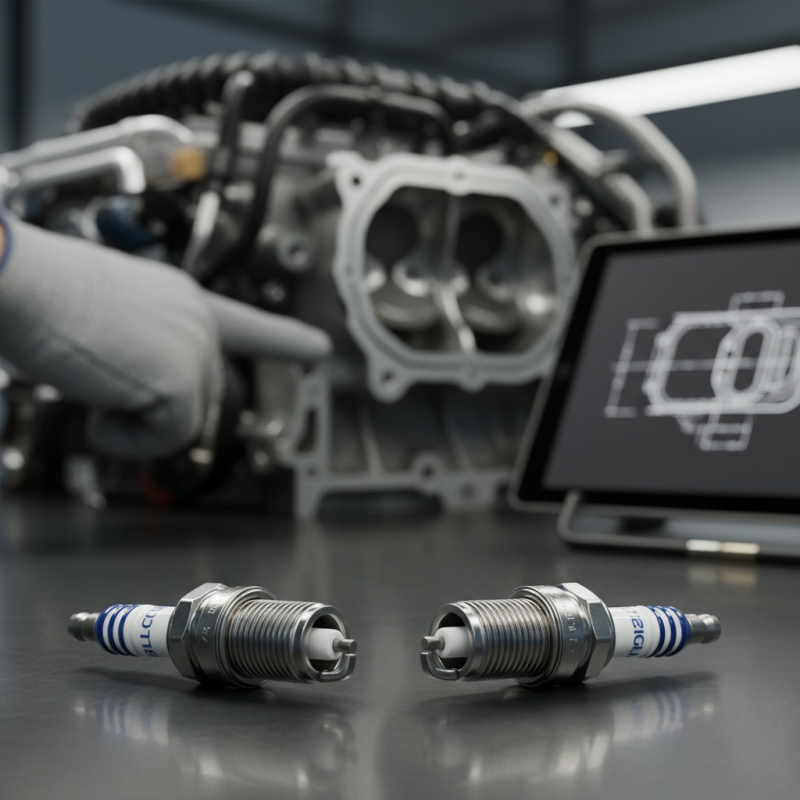
Remove the old plugs carefully. Use the socket to unscrew them. Check the condition of each one. If they are worn or dirty, it’s time to replace them. Always compare the new spark plugs with the old ones. This ensures the correct size and type.
Before installation, apply a small amount of dielectric grease to the threads of the new plugs. This helps with future removals and prevents corrosion. Hand-tighten the plugs first, then use the torque wrench for precision. Over-tightening can damage the threads in the cylinder head. Take your time during this process; rushing might lead to issues later.
Ultimate Guide to Choosing and Installing TIWS9745 Spark Plugs for Bosch M14 Engines
When it comes to optimizing the performance of Bosch M14 engines, selecting the right spark plugs is crucial. The TIWS9745 Spark Plugs are a top choice, designed specifically to enhance ignition efficiency and improve overall engine operation. An often overlooked aspect is the ignition cable, which plays a pivotal role in the spark plug's performance. The TECHIE premium Ignition Cable is engineered for KAMAZ 820 gas engines operating with Bosch M14 spark plugs, ensuring optimal voltage delivery and improved spark quality.
A study from the automotive engineering sector suggests that utilizing high-quality ignition cables can lead to a 5-10% increase in fuel efficiency. This is particularly important for heavy-duty engines like those found in KAMAZ trucks, where even slight improvements can translate to significant cost savings over time. Additionally, the integrity of the ignition system directly influences engine longevity and reliability. Premium ignition cables, such as the TECHIE product, are designed to withstand the high-heat environments typical in such engines, further contributing to enhanced performance and reduced maintenance frequencies.
Installation of the TIWS9745 spark plugs with the compatible ignition cables is a straightforward task, yet it requires attention to detail for optimal results. Routine checks and timely replacements of both spark plugs and ignition cables can prevent misfires and ensure smooth engine operation. Comprehensive reports have indicated that proper ignition system maintenance leads to more reliable engine performance and lowers emissions, making it not only a practical choice but also an environmentally conscious one.
FAQS
: The right spark plug ensures optimal performance based on engine type and climate.
Inspection is recommended every 30,000 miles, but this can vary by driving style and conditions.
Improper plugs can cause misfires and decreased fuel efficiency, which affects performance significantly.
Look for discoloration, erosion, or carbon build-up on the electrode for signs of wear.
A socket wrench is essential for safely removing and inspecting your spark plugs.
Convenience and lack of awareness often lead owners to skip this important step in maintenance.
Advanced materials like iridium or platinum withstand higher temperatures and pressures effectively.
Yes, worn spark plugs can reduce fuel economy by up to 30%, leading to increased emissions.
Keeping records helps you notice wear patterns and plan timely replacements, saving future repair costs.
Neglecting to check the spark plug gap against manufacturer specifications can lead to problems.
Conclusion
Selecting the right special spark plugs is crucial for optimizing your vehicle's engine performance. Understanding the role spark plugs play, from igniting the air-fuel mixture to affecting overall efficiency, sets the foundation for making an informed choice. Various types of spark plugs, including copper, platinum, and iridium, cater to different vehicle needs based on material differences and durability.
Identifying specific requirements for your vehicle, such as heat range and performance expectations, is essential in determining the best fit. Regularly checking existing spark plugs for wear and tear can help maintain engine health and ensure a smooth operation. Finally, installation tips for new spark plugs are vital to guarantee they function correctly and enhance your vehicle's performance. By focusing on these factors, you can effectively choose special spark plugs that meet your vehicle's unique demands.