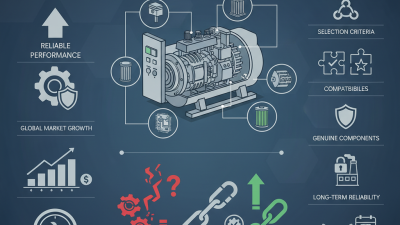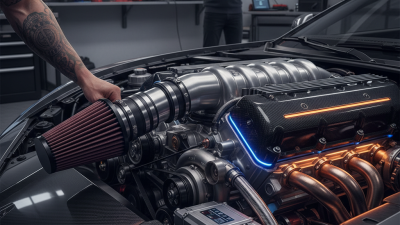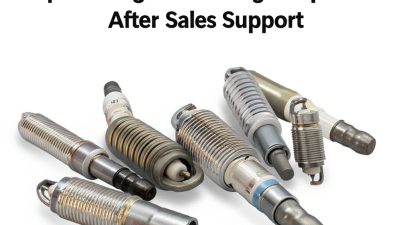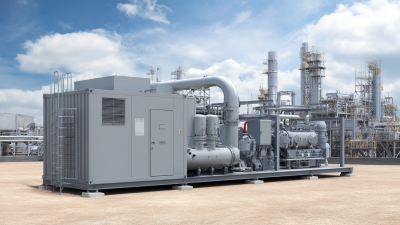
Hey, if you’ve been following the generator scene lately, you’ll know that sourcing good quality Generator Spare Parts is more important than ever. James Miller, the CEO of Power Solutions Inc. and an industry veteran, points out that honestly, having the right spare parts can be a game-changer — it’s what keeps your operations running smoothly instead of facing costly downtimes. Looking ahead to 2026, as the global demand for generators keeps climbing, really understanding how to find the right spare parts is becoming a must-have skill.
Now, here’s the tricky part—there are tons of suppliers out there, and telling good quality parts from the average ones isn’t always straightforward. The market is pretty flooded, but not all parts are the same quality-wise. It’s common for folks to question whether their sources are truly reliable. Buying cheap or low-quality Generator Spare Parts might save some bucks upfront, but it often leads to more downtime, more repairs, and higher costs in the long run. That’s why making informed, smart purchasing choices really matters.
And let’s not forget, sourcing these parts internationally adds another layer of complexity. Different countries have different standards, rules, and regulations, which can be a real headache. It’s super important to check out the credibility of your suppliers—trust and transparency should always come first. Finding reliable sources and focusing on quality upfront can save you a lot of headaches down the line, both in terms of money and efficiency. All in all, being knowledgeable about where and how you source your generator parts is a key part of staying ahead in today’s busy market.

The global generator spare parts market is undergoing significant transformation. As of 2023, the market was valued at approximately $20 billion. Projections suggest a compound annual growth rate (CAGR) of 5% through 2026. This growth is driven by increased energy demands and the need for reliable power solutions.
Industry reports indicate trends towards sustainable and efficient components. Advanced technologies enhance performance and reliability. For instance, a rising interest in hybrid generators is evident. These systems often rely on innovative spare parts, optimizing both fuel consumption and emissions.
Challenges persist in the market. Issues with supply chain disruptions have become more commonplace. This affects availability and prices of critical components, such as those for Ship Engine Spare Parts. Companies must adapt their sourcing strategies. Focusing on reliable suppliers can mitigate risks. Overall, a keen understanding of industry trends is essential for effective global sourcing.
| Part Type | Material | Application | Estimated Demand (Units) | Forecast Growth (%) |
|---|---|---|---|---|
| Alternator | Copper | Industrial Generators | 150,000 | 5% |
| Fuel Filter | Polymer | Diesel Generators | 120,000 | 3% |
| Battery | Lead Acid | Backup Power Generators | 200,000 | 4% |
| Control Panel | Aluminum | All Types | 80,000 | 6% |
| Cooling System | Stainless Steel | Large Generators | 70,000 | 7% |
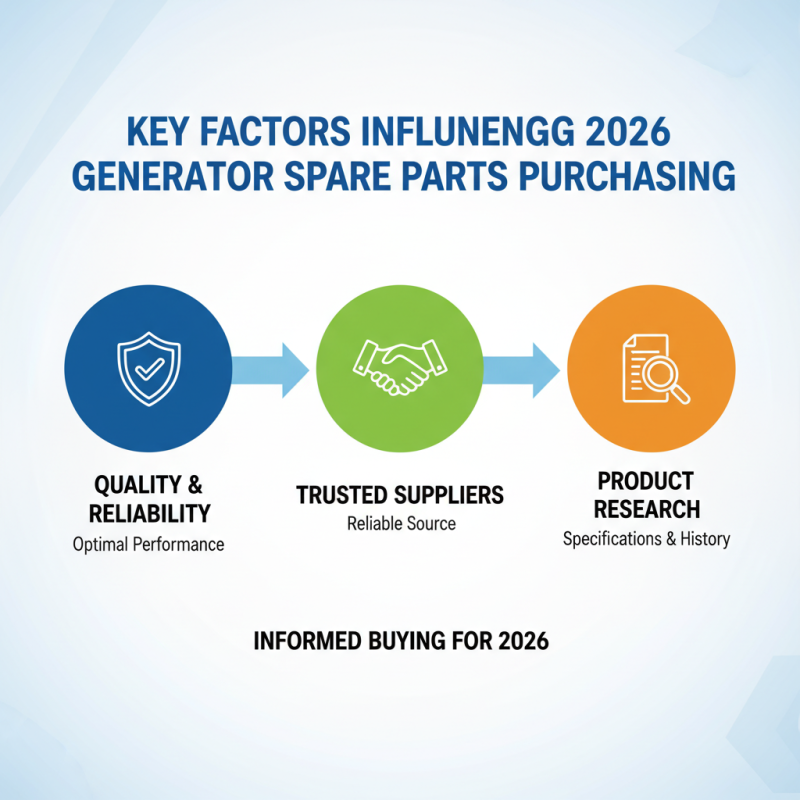
When sourcing generator spare parts in 2026, buyers must consider several key factors. Quality and reliability stand out. Choosing parts from trusted suppliers ensures optimal performance. Invest time in researching product specifications and performance history.
Cost-effectiveness plays a crucial role. While cheaper options may appeal, they often compromise quality. Reflect on long-term savings. Sometimes, spending slightly more results in greater durability and efficiency. Don't underestimate the impact of a dependable supplier. Building relationships can lead to better deals and reliable service.
**Tips:** Always verify supplier credentials. Check their industry experience and customer reviews. Collaborate with engineers for technical insights; their expertise is invaluable. Consider the lifetime value of Main Engine Spare Parts. Making informed decisions now can prevent costly repairs later. Balancing quality with cost is a skill that requires ongoing assessment.
In the ever-evolving market of generator spare parts, regional sourcing strategies play a critical role. The Asia-Pacific region remains a dominant supplier hub, accounting for over 40% of global production. Countries like China and India offer competitive pricing and a vast selection. Their well-established supply chains and manufacturing capabilities foster innovation and efficiency. It's essential for buyers to stay updated on these shifts.
While Asia-Pacific leads, Europe and North America are also significant players. Suppliers in Germany and the U.S. provide high-quality components, often emphasizes durability and performance. However, sourcing from these regions can be more expensive. Factors like tariffs and logistical challenges can complicate procurement strategies. Buyers must weigh the benefits of quality against cost.
Sourcing can be unpredictable. Fluctuations in material costs and changes in trade policies can affect availability. Many buyers are now considering alternatives, such as sourcing Deutz Engine Spare Parts from lesser-known suppliers. This approach could potentially reduce costs and ensure a steady supply. However, it requires diligent research and a deep understanding of potential suppliers’ capabilities and reliability.
In the world of generators, understanding the essential spare parts is crucial. These components ensure the smooth operation of the equipment. Different categories of generator spare parts include fuel systems, lubrication components, and electrical systems. Knowing the specifications of each part can enhance performance and longevity.
Fuel filters, for example, are a key element in maintaining a generator’s efficiency. A high-quality filter prevents impurities from entering the system. This can help avoid potential damage. Regularly checking these components is often overlooked, yet it is vital.
Another crucial category involves electrical components like starters and alternators. These parts must meet specific voltage and current ratings. Failure to select appropriate generator parts might lead to operational failures. Often, buyers underestimate the importance of sourcing reliable supplier relationships. Building trust in global sourcing networks can significantly improve spare part availability. It’s worth considering that the right Generator Parts Name can make all the difference in maintaining optimal performance.
In 2026, safety and compliance standards for generator spare parts are paramount. The push for stringent regulations is driven by rising safety concerns and industry demands. According to a recent report by the International Electrotechnical Commission, over 30% of generator failures in the last two years were linked to non-compliant spare parts.
Manufacturers and buyers must understand the complexities of compliance. Each region has established various standards. For example, the American National Standards Institute (ANSI) set specific guidelines for electrical safety. In Europe, the CE marking indicates conformity with health and safety standards. Ignoring these can lead to severe penalties and service disruptions.
Moreover, many buyers underestimate the impact of using non-compliant parts. Industry experts suggest that nearly 20% of all generator malfunctions stem from faulty replacements. This not only halts operations but can lead to costly repairs. It’s essential to stay informed about evolving regulations and to assess suppliers rigorously. Understanding these requirements can prevent significant economic losses.
As we approach 2026, understanding the pricing trends in generator spare parts is crucial for effective procurement. According to industry reports, the global market for generator spare parts is projected to grow significantly, with an estimated increase of over 4% annually. This trend reflects rising demand across various industries, including construction and energy. Factors such as inflation and changes in material costs can impact budget forecasting for these purchases.
When budgeting for spare parts, consider the potential fluctuations in prices. Recent analyses indicate that lead times for delivery have increased by up to 30%. This shift emphasizes the importance of planning ahead. Engage with multiple suppliers to gauge competitive pricing. Establishing relationships can also lead to better deals and terms.
Tip: Monitor supply chain disruptions. Being aware of geopolitical events can help you anticipate price changes. Regularly review your inventory management practices. Keeping optimal stock levels can prevent rush orders that may come at higher prices.
A constant evaluation of your procurement approach can uncover inefficiencies. Understanding where to adjust spending can ultimately lead to better resource allocation. Consider integrating procurement software to streamline analysis and improve decision-making.
In sourcing spare parts, monitoring quality and reliability are crucial. A systematic approach ensures your equipment remains operational. Quality control can often be overlooked, yet it's essential for long-term performance. Establish regular assessments of your suppliers. Engage in frequent communication to address any quality concerns.
Tip: Create a checklist for evaluating supplier performance. This could include delivery times, product defects, and responsiveness. Use this data to guide future sourcing decisions. Make adjustments as needed.
Maintaining a focus on quality can sometimes feel overwhelming. Resource constraints often impact monitoring efforts. Consider using technology to aid in tracking metrics. Implement inventory management systems that flag anomalies.
Tip: Conduct audits on a quarterly basis. Review both your inventory and supplier outputs. An honest reflection of these audits instills confidence in your sourcing strategy. It uncovers areas for improvement, ensuring resilience in your operations.
: Quality and reliability are crucial. Trusted suppliers ensure optimal performance and fewer issues.
Avoid solely focusing on lower prices. Long-term savings often come from spending slightly more upfront for better quality.
Dependable suppliers can offer better deals and reliable service. Trust fosters a strong partnership.
Verify their credentials, industry experience, and read customer reviews. This will help you make informed choices.
The Asia-Pacific region is dominant, while Europe and North America also provide high-quality components.
Yes, it can reduce costs, but you must research their capabilities to ensure reliability and quality.
They can affect the availability of parts, prompting buyers to reassess sourcing strategies frequently.
Engineers provide valuable technical insights that help in selecting the best parts for your needs.
It's the total long-term benefit of a part, which may prevent costly repairs down the line.
Balancing these factors requires regular reflection on market changes and supplier performance.
The 2026 Top Generator Spare Parts Buyers Guide provides a comprehensive overview of the global generator spare parts market, highlighting emerging trends and future projections. Key factors influencing purchasing decisions are analyzed, including technological advancements and supply chain dynamics. The guide identifies the top supplier regions and categorizes essential generator spare parts, detailing their specifications to aid buyers in effective sourcing.
Furthermore, the article emphasizes the importance of adhering to safety and compliance standards for generator spare parts in 2026. A detailed cost analysis reveals prevailing pricing trends and aids in budgeting for procurement. Finally, best practices for monitoring quality and reliability in sourcing are shared, ensuring buyers can make informed decisions while procuring generator spare parts in a competitive marketplace.