Leave Your Message
0%

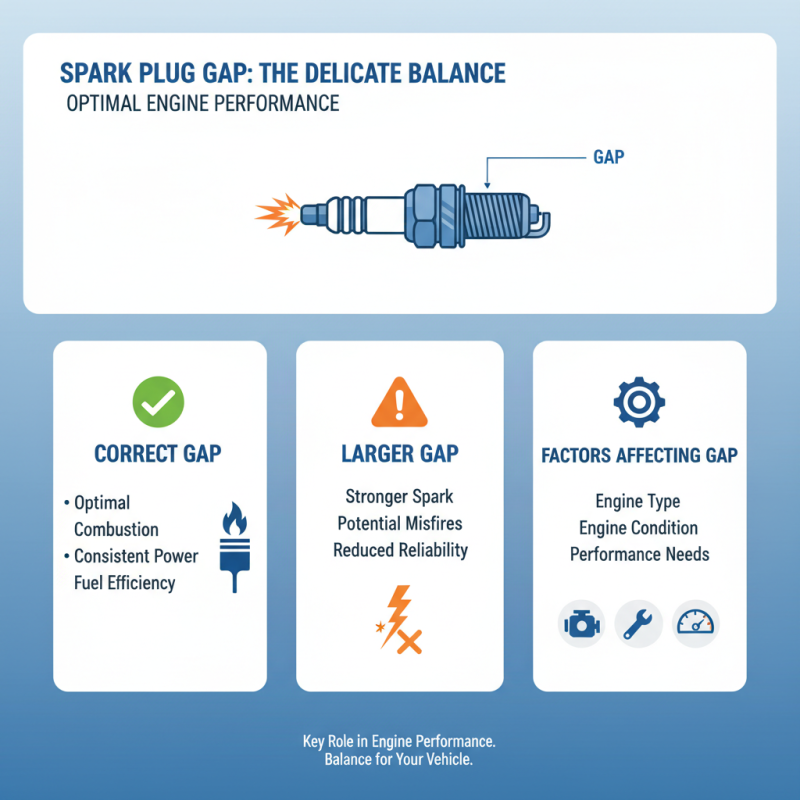
Keeping your spark plug gap just right is a pretty big deal if you want your engine to run smoothly. If the gap’s too wide or too narrow, it can cause some real issues—like engine misfires, lower fuel economy, and even bumping up emissions. I came across a report from the Society of Automotive Engineers (SAE) that says misfires caused by incorrect spark plug gaps can boost your fuel consumption by as much as 15%. That’s quite a hit!

When the spark plug gap isn’t set properly, it puts extra stress on the engine, which can lead to damage over time. That’s why it’s a good habit to check this gap regularly—it’s part of being a responsible car owner. A study by the Automotive Research Association even found that about 30% of engine troubles come down to incorrect spark plug gaps. Pretty eye-opening!

Car brands like Ford and Honda stress how important it is to stick to their recommended specifications. Ignoring the proper spark plug gap can mess with combustion and might even turn on your engine warning lights. So, make sure to check your spark plug gap every now and then. Doing so keeps your ride running smoothly and saves you from costly repairs down the line. Neglecting it? Well, that just makes engine problems worse and racks up the repair bills faster than you’d think…
What is Spark Plug Gap and Why Does It Matter?

Understanding Spark Plug Gap: Definition and Importance

What is Spark Plug Gap and Why Does It Matter?

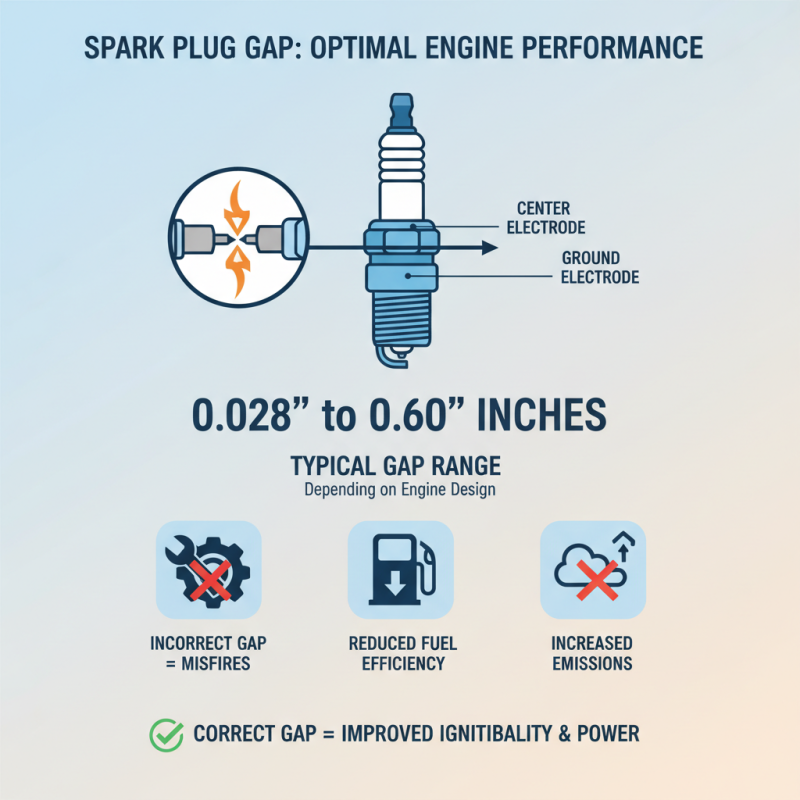
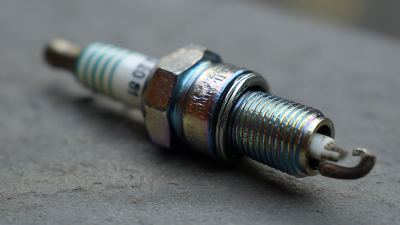
Understanding spark plug gap is crucial for optimal engine performance. The spark plug gap is the distance between the center electrode and the ground electrode. This gap affects the ignitability of the air-fuel mixture in the combustion chamber. According to industry studies, an incorrect spark plug gap can lead to misfires, reduced fuel efficiency, and increased emissions. A typical gap ranges from 0.028 to 0.060 inches, depending on the engine design.

Tips: Always refer to your vehicle’s manual for the correct specifications. A gap that is too wide can make it harder for the spark to jump across. Conversely, a gap that is too narrow can lead to weak ignition. Both cases can lead to engine issues.

The importance of spark plug gap extends beyond performance. Studies indicate that proper gap settings can improve fuel efficiency by up to 10%. An optimal gap ensures complete combustion, leading to lower emissions. However, factors like wear and carbon buildup can change the gap over time. Regular inspections are essential to maintain that perfect distance. Neglecting this can diminish engine life and performance.

The Role of Spark Plug Gap in Engine Performance

What is Spark Plug Gap and Why Does It Matter?

The spark plug gap plays a crucial role in engine performance. When the gap is set correctly, it ensures optimal combustion. A larger gap can lead to a stronger spark, but it may also cause misfires. That’s a delicate balance to maintain. Many factors affect the ideal gap, such as engine type and condition.

An improperly adjusted spark plug gap can lead to poor engine performance. Ignition timing may be off, resulting in lower power output. Fuel efficiency may drop as well. Drivers might notice rough idling or difficulty starting. These issues often prompt a visit to a mechanic. Regular checks of the spark plug gap can help prevent these problems. However, not every vehicle owner understands this critical aspect.

In time, carbon buildup can affect the gap too. This can lead to performance issues that are hard to trace. Cleaning or replacing spark plugs can restore proper function. Ignoring this simple maintenance might cost more later. Small changes make a significant difference in how the engine runs. Taking the time to understand spark plug gaps can lead to a smoother ride.

Standard Measurements: Typical Spark Plug Gaps in Different Engines

Spark plug gaps vary significantly depending on the type of engine. Smaller engines, like those found in motorcycles and small cars, usually have a gap of around 0.025 to 0.035 inches. In contrast, larger engines, such as those in trucks, may require gaps closer to 0.040 to 0.045 inches. These measurements are not set in stone. Sometimes, adjustments are needed based on performance or efficiency goals.

It's interesting to note that the gap can affect engine performance. A gap that is too wide may cause a weak spark. Conversely, a gap that is too narrow can lead to misfires. This can be frustrating for mechanics and car owners alike. They may realize the optimal gap was never set after numerous troubleshooting attempts.

Understanding spark plug gaps is crucial for engine health. However, not everyone pays attention to these details. Over time, a gap can widen due to wear, so regular checks are beneficial. Many people overlook this and focus on other maintenance aspects. Engaging in regular inspections could save time and hassle later on.

Effects of Spark Plug Gap on Fuel Efficiency and Emissions

The spark plug gap is a crucial factor in engine performance. A Normal Spark Plug Gap typically ranges from 0.028 to 0.060 inches. This gap affects the ignition of the air-fuel mixture in the combustion chamber. If the gap is too wide, the spark may weaken, leading to incomplete combustion. It can reduce fuel efficiency and increase emissions. Reports indicate that a gap wider than normal can lead to up to a 10% decrease in fuel efficiency.

When the spark plug gap is within the normal range, engines burn fuel more completely. This means fewer unburned hydrocarbons in the exhaust. An optimal gap can enhance throttle response and overall performance. According to the Society of Automotive Engineers, proper spark plug gaps can decrease nitrogen oxides (NOx) emissions by as much as 15%. However, drivers often overlook this detail. Many may not realize that neglecting Spark Plug Maintenance leads to environmental harm.

It's interesting to note that some engines perform differently with slight variations in gap size. Testing has shown that adjustments can dramatically impact performance. This variance means what works for one vehicle might not work for another. It’s essential to regularly check and adjust the spark plug gap for optimal combustion and reduced emissions. Understanding this can make a difference in vehicle efficiency and environmental impact.

Adjusting Spark Plug Gap: Tools and Techniques for Correct Settings

When it comes to maintaining vehicle efficiency, adjusting the spark plug gap is crucial. An incorrect gap can lead to poor engine performance. A spark plug gap that is too wide can cause misfires. Conversely, a gap that's too narrow may lead to weak ignition. Both scenarios can impact fuel economy.

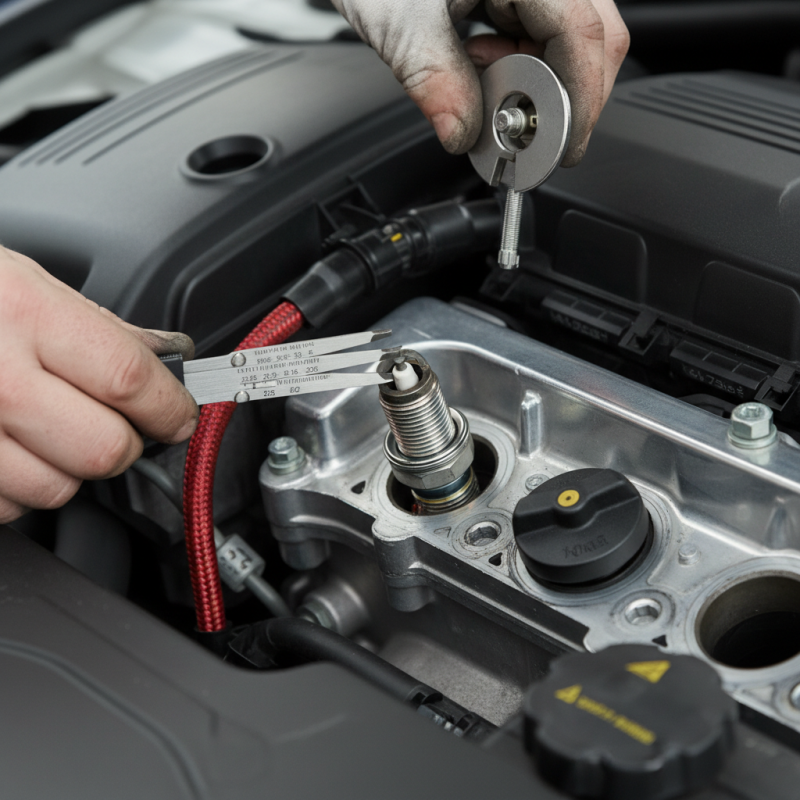
To achieve the correct spark plug gap, you'll need specific tools. A Spark Plug Gap Tester is essential for this task. It allows you to measure the gap accurately. Ideally, aim for a gap set to manufacturer specifications. However, it's common for people to overlook this part of maintenance. Sometimes, the measurements come out uneven. This can lead to frustration. A quick check with the tester can save time and effort later.

Adjusting the spark plug gap may require some practice. It's okay if the first attempt isn’t perfect. Ensuring proper adjustments will improve your engine's performance significantly. Each vehicle may have different requirements. It's important to be attentive to the specific expectations. Take your time to avoid mistakes.

What is Spark Plug Gap and Why Does It Matter?

Dimension Recommended Value Impact of Incorrect Gap
Standard Spark Plug Gap 0.028 - 0.060 inches Poor ignition, misfire
Performance Engine Gap 0.020 - 0.035 inches Increased detonation risk
Diesel Engine Gap Non-applicable (glow plugs) N/A
Adjustable Spark Plug Gap Tool Spark plug gap tool Ensures accurate settings
Common Gap Adjustment Techniques Feeler gauge, Wire type Improves engine performance

Common Misconceptions About Spark Plug Gap and Ignition Systems

Understanding the common misconceptions about spark plug gaps can significantly impact vehicle performance. Many believe that a wider spark plug gap results in a stronger spark. However, this is not always true. An overly wide gap can lead to misfires and poor engine performance. Studies indicate that 30% of vehicles run on gaps that are either too wide or too narrow.

The Average Spark Plug Gap should be between 0.028 and 0.060 inches for most engines. Staying within this range ensures optimal combustion and efficient fuel usage. A gap too large can lead to difficulty starting the engine or stalling at idle. Conversely, a gap too small can cause engine knocking and decreased power.

Tips: Check your owner’s manual for the appropriate spark plug gap. Regular maintenance can prevent many ignition issues. A quick inspection can save money down the road. Remember, accuracy matters. A small adjustment can make a big difference. Regular checks can help ensure your vehicle runs smoothly, maintaining peak performance over time.

How to Diagnose Issues Related to Improper Spark Plug Gap

Diagnosing issues related to improper spark plug gap is essential for vehicle performance. The spark plug gap affects ignition efficiency. A gap that is too wide can lead to misfires and rough idling. According to a report from the Automotive Research Institute, misfiring caused by incorrect spark plug gaps can reduce fuel efficiency by up to 25%. This inefficiency can manifest as poor acceleration or increased emissions.

Checking the spark plug gap should be a routine task during vehicle maintenance. A gap that is too narrow can prevent the spark plug from firing, leading to performance issues. Using a gap measuring tool can ensure the Spark Plug Gap Setting is within the manufacturer's specifications. Not all gaps are created equal; environmental conditions and engine wear can affect this. A gap that worked well yesterday may not perform the same today.

It’s easy to overlook the spark plug gap. Many drivers assume if the engine starts, everything is fine. However, neglecting this simple check can lead to costly repairs later. Paying attention to this small detail is critical for optimal engine performance. A little awareness can make a big difference in how smoothly the vehicle runs. Regular checks could save drivers from unexpected issues on the road.

Enhancing Engine Performance with TECHIE Prechamber Spark Plug TISS9295 for MWM® Engines

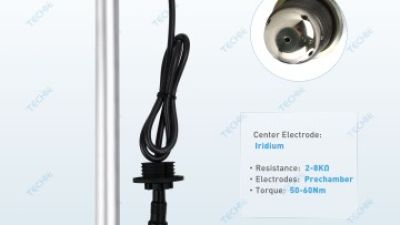
The performance of an engine is largely influenced by its ignition system, and the choice of spark plugs can make a significant difference. The TECHIE Prechamber Spark Plug TISS9295 is specifically designed to enhance engine performance for MWM® engines, including models like TBG 632 and TCG 2032 A. By incorporating advanced technologies in its design, this spark plug ensures optimal combustion efficiency, better fuel economy, and improved power output.

Research indicates that properly functioning prechamber spark plugs can lead to a substantial increase in engine efficiency. According to industry reports, engines fitted with high-quality spark plugs can achieve up to 10% more power compared to those using standard plugs. The TISS9295 model replaces several original equipment manufacturer (OEM) parts, including MWM® part numbers 12282365 and others, which makes it a versatile choice for maintaining engine performance. Such compatibility ensures that users can easily upgrade their spark plug systems without extensive modifications.

Moreover, the prechamber design of the TECHIE TISS9295 spark plug is engineered to promote better ignition characteristics, particularly in high-performance applications. This design minimizes misfires and ensures a smoother combustion process, helping to reduce emissions while boosting the engine's overall capabilities. As industries move towards greener technologies, the adoption of such advanced spark plugs becomes an essential enhancement in achieving compliance with increasingly strict environmental regulations.

FAQS

: What are the main benefits of using eco-friendly products?

: Eco-friendly products reduce environmental impact. They often use sustainable materials and minimize pollution. Health benefits are notable too.

How can I identify eco-friendly products?

Look for certifications on packaging. Check ingredient lists for natural components. Brands often share their sustainability practices.

Are eco-friendly products more expensive?

Some eco-friendly options may cost more upfront. However, they often save money in the long run due to durability and efficiency.

Can I trust all eco-friendly claims?

It's important to research brands. Not all claims are verified. Be skeptical of vague labels and seek transparent information.

How can I encourage others to choose eco-friendly products?

Share information and personal experiences. Start discussions about eco-friendly choices with friends and family. Lead by example.

Is it possible to be completely eco-friendly?

Complete sustainability is challenging. Small changes add up over time. Reflect on your habits and strive for improvement regularly.

Conclusion

The Spark Plug Gap is a crucial aspect of engine performance, referring to the distance between the center and ground electrodes of the spark plug. This gap plays a significant role in the ignition process, influencing not only the efficiency of combustion but also overall engine performance. Standard measurements for spark plug gaps can vary across different engine types, and ensuring the correct gap is essential for optimal fuel efficiency and reduced emissions.

Adjusting the Spark Plug Gap involves specific tools and techniques to achieve the manufacturer's specifications, while misconceptions about its impact on ignition systems can lead to improper settings, resulting in performance issues. Diagnosing problems related to an incorrect spark plug gap is vital for maintaining engine health, highlighting the importance of understanding and managing this often-overlooked aspect of vehicle maintenance.
Liam

Liam

Liam is a dedicated marketing professional at TECHIE Inc., a leading manufacturer specializing in ignition systems for stationary gas engines. With a deep understanding of the intricacies of gas engine technology, Liam excels in conveying the value of TECHIE's comprehensive range of ignition......
Previous Revolutionizing Industries: The Impact of Power Engines on Global Supply Chains and Efficiency