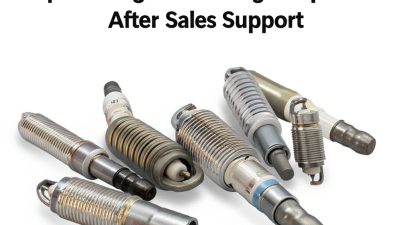
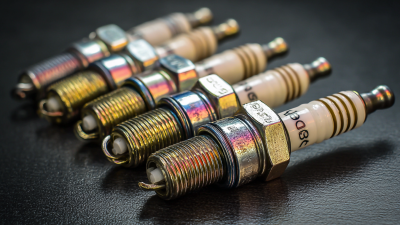
Picking out the right spark plugs and coils for your car might seem a bit overwhelming at first, but trust me, it’s more important than you’d think. As John Smith, an expert engineer over at Ignite Auto Parts, puts it nicely—"Getting the right Spark Plugs and Coils can really give your engine that extra boost." When it comes to your ride, every tiny detail counts. Skip over the specifics, and you might end up with poor performance or, worse, some engine trouble.
A lot of drivers don’t realize just how crucial these parts are. Spark plugs and coils are basically the engine’s ignition champions—they make sure everything fires up smoothly. When these components go bad, you’ll notice things like misfires, your fuel economy taking a nosedive, or even your emissions getting worse. It’s kinda crazy how fast these little problems can add up. You might think, "It’s just a spark plug," but honestly, it’s a lot more important than it sounds.
Figuring out what specs your spark plugs and coils need is key. Every car is a bit different, and sourcing the right parts isn’t always as simple as it looks. Using mismatched components can cause all sorts of performance issues, and nobody wants that. Taking the time to get the details right can save you a lot of money and headache down the road. Finding a good balance between quality and price isn’t just luck—it takes some research, maybe a chat with your mechanic, and a little patience to get it just right.
Choosing the Right Spark Plug Type: Copper, Platinum, or Iridium?
Choosing the right spark plug type is vital for optimal engine performance. Many vehicle owners face the dilemma of selecting between copper, platinum, and iridium spark plugs. Each type comes with unique benefits and drawbacks.
Copper spark plugs are traditional options. They offer excellent conductivity and performance at a lower cost. However, they wear out faster than their counterparts. This means more frequent replacements.
In contrast, Platinum Spark Plugs have a longer lifespan. They withstand high temperatures well. Yet, their higher price can be a drawback for budget-conscious drivers.
Iridium spark plugs are the most advanced choice. They provide the best performance and durability. However, they can be more expensive. Some users may find them overkill for standard driving conditions.
It’s important to assess driving habits and budget before making a decision. Evaluating the specific needs of your vehicle can prevent costly mistakes. Consider these factors carefully for the best outcome.
Understanding Spark Plug Heat Range: Importance for Engine Performance
Choosing the correct spark plugs is critical for engine performance. One key aspect is the Spark Plug Heat Range. Heat range refers to the ability of a spark plug to dissipate heat from the combustion chamber. If the heat range is too high, the engine may misfire. If it’s too low, overheating can occur. Each engine has a specific heat range requirement.
Understanding how to read the heat range code on spark plugs can help you make informed decisions. A colder plug dissipates heat quickly, while a hotter plug retains heat. Factors such as driving conditions and engine modifications alter these requirements. For example, high-performance engines often require colder plugs due to increased heat generated.
It’s essential to listen to your engine. If you notice rough idling or reduced acceleration, it might be time to rethink your spark plugs. Regular inspections can prevent larger issues. Remember, choosing the right heat range is not just about performance; it’s also about maintaining longevity. Avoid assuming all spark plugs work the same. Experience matters, and every vehicle has unique needs.
Significance of Spark Plug Gap: How It Affects Ignition and Efficiency
The spark plug gap plays a vital role in engine performance. It affects ignition timing and combustion efficiency. A gap that is too wide can lead to misfires. If the gap is too narrow, it can cause weak ignition. Both situations reduce engine power and increase emissions.
Adjusting the spark plug gap requires attention. It's essential to follow specifications for your vehicle’s engine. However, some mechanics overlook this detail. Without proper gap setting, even the best Engine Coils And Spark Plugs won't work efficiently. An ineffective spark plug can lead to poor fuel consumption and hesitation during acceleration.
It's crucial to monitor the condition of your spark plugs regularly. Develop an inspection routine that checks for wear and deposits. Be mindful that wear affects the gap. A spark plug won’t always perform the same after prolonged use. Each small adjustment can make a significant difference in overall engine health. Consider revisiting your choices if the engine begins to show signs of sluggishness.
Evaluating Ignition Coils: Types and Their Impact on Engine Power
Evaluating ignition coils is essential for enhancing your vehicle's performance. When considering Engine Ignition Coils, it's essential to understand the different types available. Standard coils deliver adequate power, but performance coils can significantly improve engine efficiency and power. They often provide a hotter spark, leading to better combustion.
However, not all vehicles benefit from high-performance coils. Some engines may not handle the increased output well. Installing the wrong type could lead to misfires or damage. Careful evaluation of your engine's specifications is crucial. Also, consider the coil's quality, as cheaper options may fail sooner, causing downtime.
Many drivers overlook the importance of ignition coils until trouble arises. Regular inspection can help identify wear or damage early. Sometimes, even new coils can perform poorly due to compatibility issues. Therefore, researching the right fit for your vehicle is wise. Getting this right ensures your engine delivers its full potential.
Matching Spark Plugs to Engine Specifications: Following Manufacturer Guidelines
Choosing the right spark plugs for your vehicle is crucial. It's not just about any plug; it’s about matching them to your engine's specifications. Manufacturers spend years fine-tuning these details. According to a 2022 report by the Automotive Research Association, incorrect spark plug selection can reduce fuel efficiency by up to 20%. That’s a significant loss.
When selecting spark plugs, refer to your vehicle's manual. It will detail the required heat range and electrode material. Each engine has specific needs that optimize performance. For instance, some engines may perform better with iridium plugs while others benefit from copper. Ignoring these guidelines can lead to misfires, wasted fuel, and ultimately, engine damage.
Tips: Check your vehicle manual regularly. Ensure compatibility before purchasing. Look for signs of wear on your current plugs. Remember, a small investment in the right spark plugs can lead to notable gains in fuel efficiency and engine longevity. Always consider your driving conditions. Are you often in stop-and-go traffic? Your spark plug needs might differ from a highway driver. Think carefully. Adjustments might be necessary after some time.
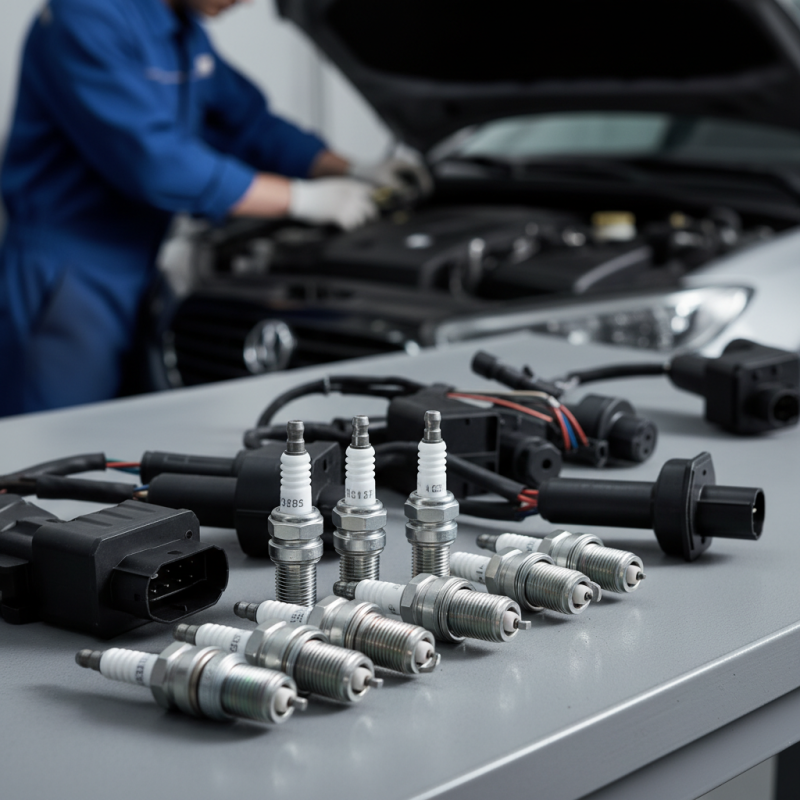
Spark Plug and Coil Selection Based on Engine Specifications
Replacement Frequency: How Often Should You Change Spark Plugs and Coils?
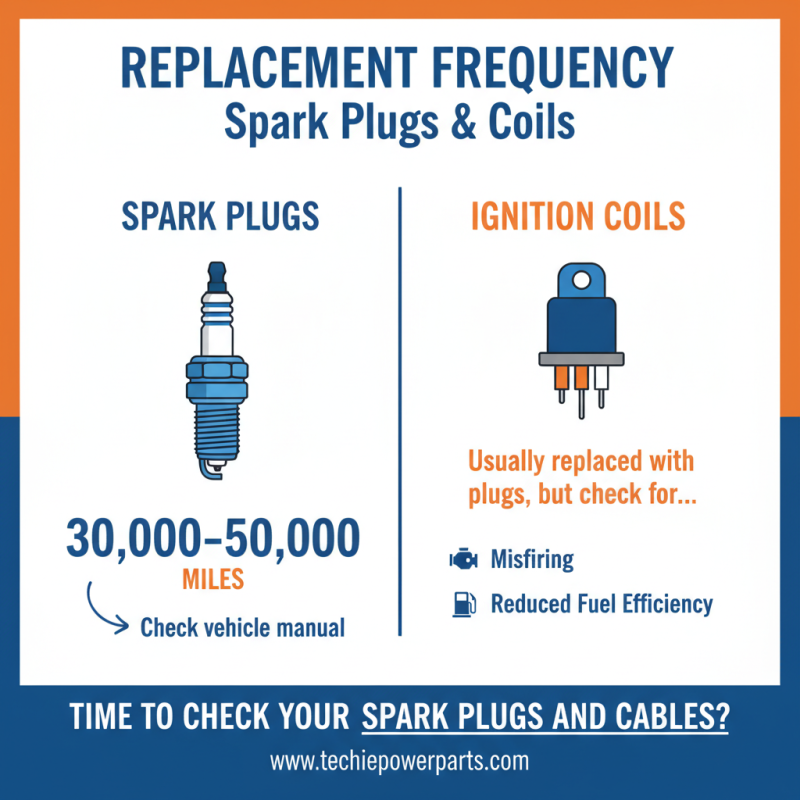
When it comes to spark plugs and coils, knowing when to replace them is crucial. Many experts recommend changing spark plugs every 30,000 to 50,000 miles. However, this can vary based on your vehicle's make and model. If you notice issues like misfiring or reduced fuel efficiency, it’s time to check your Spark Plugs And Cables.
Regular inspections can help catch potential problems early. Look for wear signs on spark plugs, like corrosion or deposits. Pay attention to engine performance. An engine that runs roughly may signal problem areas. Don't wait too long, or you could face more extensive repairs.
Tips: Keep a maintenance log to track your replacements. This helps you stay consistent. Also, consider how your driving habits affect wear and tear. Frequent short trips can wear out spark plugs faster. Being proactive ensures your vehicle runs smoothly, preventing inconveniences down the road. Trust your instincts; if something feels off, it’s worth checking your Spark Plugs And Cables sooner rather than risking engine damage.
Comparing Aftermarket vs. OEM Parts: Cost vs. Performance Considerations
When choosing between aftermarket and OEM parts for Ht Leads And Spark Plugs, cost and performance are key factors. Aftermarket parts often appeal due to their lower prices. Many vehicle owners see this as a clear benefit. However, the performance of these parts can vary widely. Some aftermarket options can match OEM quality. Others, however, might fall short, leading to engine performance issues.
OEM parts are designed specifically for your vehicle. They usually come with a higher price tag. But they often provide reliable performance and durability. Choosing OEM may reduce the risk of failure. Yet, some wonder if that added cost justifies the benefits. Aftermarket parts can sometimes perform just as well. It's essential to research individual options. Reading reviews and comparing specifications can guide your choice.
In the heat of car repairs, it's easy to overlook details. Sometimes, we choose affordability over quality. It’s worth reflecting on past experiences. A cheap part that fails could end up costing more. Think about what matters more in the long run: price or reliability? The decision should align with your driving needs and budget.
FAQS
: The main types are copper, platinum, and iridium. Each offers distinct benefits and drawbacks.
Copper spark plugs provide excellent conductivity. They are cost-effective but wear out quickly, requiring frequent replacements.
Platinum spark plugs have a longer lifespan and tolerate high temperatures. However, they can be more expensive.
Iridium spark plugs offer superior performance and durability. Yet, their cost may not suit everyone’s budget.
Experts suggest replacing spark plugs every 30,000 to 50,000 miles. This can vary by vehicle make and model.
Look for misfiring, increased fuel consumption, or rough engine performance. These could signal worn-out spark plugs.
Keeping a maintenance log helps track replacements. This way, you can stay consistent and avoid delays.
Yes, frequent short trips can expedite wear. Be mindful of your driving conditions and adjust your replacement timeline accordingly.
Trust your instincts. If something seems off, inspect spark plugs and cables promptly to prevent potential damage.
Conclusion
When choosing spark plugs and coils for your vehicle, several key factors must be considered to ensure optimal engine performance. First, selecting the right type of spark plug—whether copper, platinum, or iridium—can significantly influence ignition efficiency. Additionally, understanding the spark plug heat range is crucial, as it affects the engine's temperature and performance. The spark plug gap also plays a vital role; a proper gap facilitates better ignition and fuel efficiency.
Moreover, evaluating ignition coils is essential, as different types can impact engine power and responsiveness. It's important to match spark plugs to specific engine specifications, adhering to manufacturer guidelines for the best results. Replacement frequency for spark plugs and coils should not be overlooked, with regular changes recommended to maintain performance. Lastly, when considering parts, a comparison of aftermarket versus OEM options can help balance cost with performance, ensuring that you make an informed decision for your vehicle's needs.