When it comes to automotive performance, choosing the right spark plugs and coils actually makes a pretty big difference in how your engine runs. I remember Dr. John Miller from Performance Standards Inc. once saying, “The right spark plugs and coils can be the difference between a car that’s hesitant to start and one that kicks off with a bang.” That really highlights how important it is to pick the best components if you want your engine to perform at its best.
Honestly, a lot of car owners don’t really pay much attention to spark plugs and coils—big mistake there. If these parts aren’t working properly, your car’s performance can really suffer. For instance, bad spark plugs can cause misfires, which means less power and worse fuel efficiency. And worn-out coils? They mess with the ignition timing, so your engine doesn’t run smoothly.
Looking ahead to 2026, there’s some exciting tech coming out for spark plugs and coils. But here’s the tricky part—there are tons of options out there, and not all of them are worth your money. Lots of products claim they’re the best, but in real-world tests, some just don’t hold up. So it’s super important to cut through the hype and really understand what works. At the end of the day, investing in good quality spark plugs and coils is a decision that’s worth some careful thought.

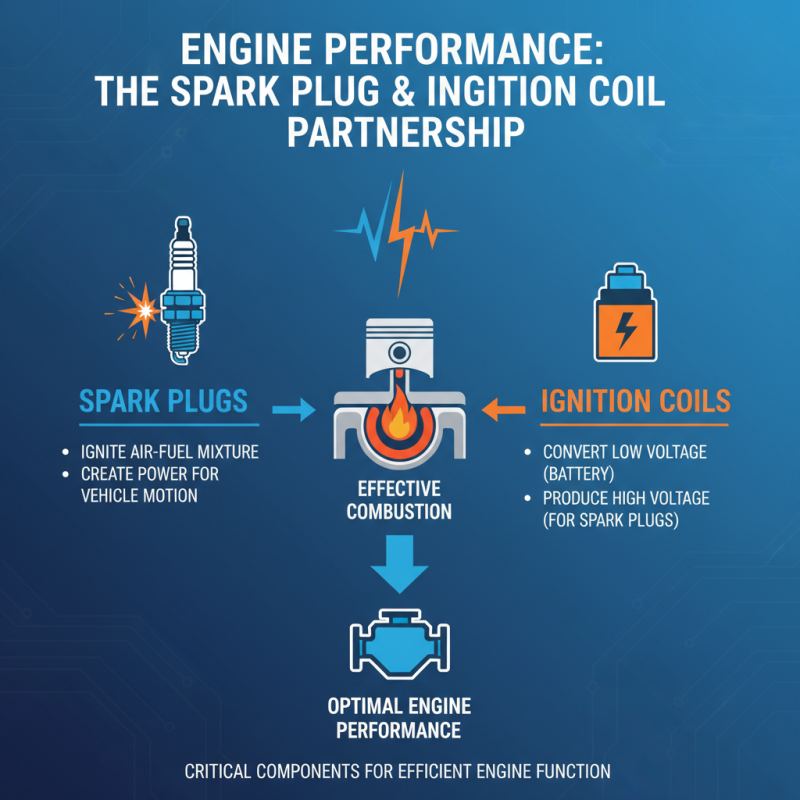
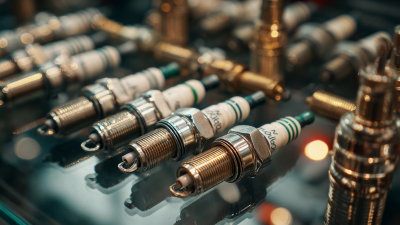
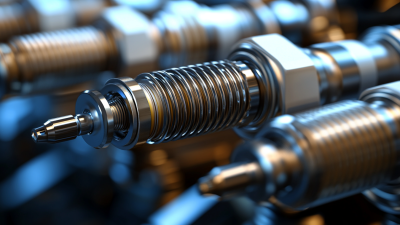
When it comes to optimal engine performance, the role of spark plugs and ignition coils cannot be underestimated. Spark plugs ignite the air-fuel mixture in the combustion chamber, creating the power needed to drive the vehicle. In contrast, ignition coils are responsible for converting the battery's low voltage to the high voltage needed by the spark plugs. This essential partnership allows for effective engine combustion, making both components critical.
However, not all spark plugs and coils are created equal. Choosing the right ones involves understanding your engine's specific needs. The combustion process can be affected by factors such as the spark plug gap and the type of ignition coil used. Over time, these components can wear out, leading to misfires and reduced efficiency. Regular inspection is key, yet often overlooked.
Drivers sometimes ignore early signs of trouble, like rough idling or decreased fuel economy. Engine Coils And Spark Plugs should be replaced at the first hint of performance issues. Proper maintenance can help prevent larger problems down the road. A proactive approach ensures your engine operates optimally, maximizing performance and efficiency.
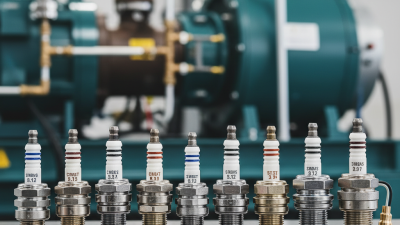
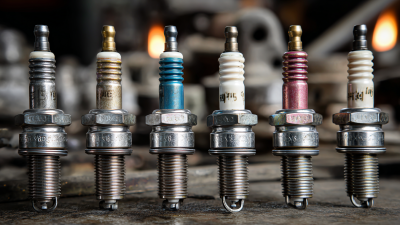
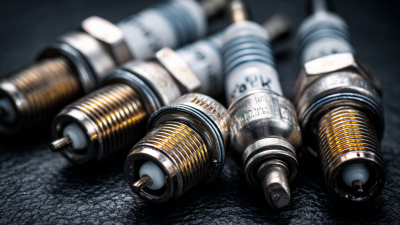
When it comes to spark plugs, understanding the types is crucial. Iridium, copper, and platinum are the three common types. Each has its unique features and benefits. Iridium plugs are known for their durability. They can last longer than 100,000 miles in many engines. This makes them a popular choice for modern vehicles. However, they can be more expensive.
On the other hand, copper spark plugs offer excellent conductivity. They provide better performance in older engines. But, they wear out faster, usually needing replacement every 20,000 to 30,000 miles. This can be a hassle for some car owners. Lastly, platinum plugs are a middle ground. They offer good performance and decent longevity, but may not deliver the same power boost as iridium.
Choosing the right type means considering your vehicle and driving habits. Each option has pros and cons. Many owners overlook these details, leading to suboptimal performance. It's essential to understand each plug's characteristics before making a decision. Regular maintenance can significantly impact engine performance. Ignoring this might result in higher repair costs later.
Ignition coils play a crucial role in engine efficiency and power. These components convert battery voltage into high voltage needed for spark plugs. A well-functioning ignition coil ensures proper spark generation. This leads to better combustion in the engine.
When ignition coils fail, symptoms can surface quickly. You may notice rough idling or stalling. Fuel consumption may increase unexpectedly as well. These issues remind us that even small parts can significantly impact engine performance. Regular checks on Engine Ignition Coils can save time and money in the long run.
Installing high-quality spark plugs is equally important. However, they are only as good as the ignition coils that power them. Poor-quality coils can hinder performance, leading to inefficient fuel burns. This can frustrate drivers who want to maximize their vehicle’s potential. Enhancing engine power requires thinking critically about every component involved. It’s all interconnected.
This chart displays the relationship between spark plug types and their impact on engine performance measured in horsepower. Each spark plug type demonstrates different efficiency levels when paired with various ignition coils.
Choosing the right spark plugs and coils is essential for optimal engine performance. Factors like heat range and electrode design play a significant role. A report by the Society of Automotive Engineers (SAE) indicates that mismatched heat ranges can lead to poor combustion and engine knocking. It’s crucial to check compatibility with your vehicle’s specifications.
Tip: Always refer to your vehicle’s manual for recommendations. If you’re uncertain, discuss with a mechanic for tailored advice.
Durability is another important factor. High-quality spark plugs can last up to 100,000 miles, while cheaper options may fail prematurely. A study from the Engine Builders Association shows that using inferior spark plugs can reduce fuel efficiency by nearly 15%. Issues with Spark Plugs And Cables can arise if they are not maintained properly.
Tip: Regularly inspect your spark plugs. Look for signs of wear or carbon buildup. Replace them before they cause bigger problems. Quality components help maintain your engine’s health. Make informed choices for longer-lasting performance.
When discussing optimal engine performance in 2026, spark plugs and ignition coils play crucial roles. Selecting the right components is essential for enhancing combustion efficiency. A good spark plug ensures a strong spark for ignition. It helps in maintaining consistent engine power. Look for plugs that resist wear and temperature extremes. This can potentially improve fuel economy.
Ignition coils are just as important. They supply high voltage to the spark plugs. Check for coils that offer better energy flow. This can lead to faster starts and smoother acceleration. A quality coil can make a noticeable difference in engine responsiveness. Some aftermarket options may claim superiority, but not all live up to the hype.
It's vital to recognize that not all components are perfect. Some may lead to misfires or inefficient performance. Reading user reviews can provide insight into potential issues. Engine performance is unique to each vehicle. Factors like driving habits and environmental conditions also play roles. Make informed choices and consider your specific needs for the best results.
Installing spark plugs and ignition coils is key for your engine's performance. Keep it straightforward. Use the right tools for installation. A socket wrench works well for spark plugs. Use a torque wrench to ensure proper tightness. This prevents damage to the threads.
When replacing Ht Leads And Spark Plugs, make sure the engine is cool. Hot engines can cause burns. Remove the old plugs carefully, avoiding any debris falling into the cylinder. Inspect the coil connection. It should be clean and free of corrosion. If it looks worn, consider replacing it too.
Check the gap on your new spark plugs before installation. An incorrect gap can affect performance. Follow manufacturer specifications. A small adjustment can make a big difference. Be mindful of alignment when connecting the coils. Misalignment can lead to misfiring. It’s easy to overlook these details, but they matter.
Maintaining optimal engine performance relies heavily on spark plugs and ignition coils. These components ignite the air-fuel mixture, influencing efficiency and power. According to a study by the Society of Automotive Engineers, worn spark plugs can increase fuel consumption by up to 30%. Regular checks can prevent such issues.
Proper care of these components is essential. Spark plugs should be inspected every 30,000 miles to ensure peak performance. Coils can fail over time, leading to misfires and rough idling. A report by Automotive News indicates that faulty ignition systems are a top cause of engine performance problems in older vehicles.
Drivers often overlook these small parts. It’s easy to assume that they will work without issues. However, neglect can lead to bigger problems down the line. Simple maintenance, like cleaning spark plugs and checking coils, can enhance engine life significantly. Keeping an eye on these can save money and improve safety.
| Type | Material | Heat Range | Gap Size | Performance Rating |
|---|---|---|---|---|
| Spark Plug | Platinum | 6 | 0.044" | High |
| Spark Plug | Iridium | 7 | 0.032" | Very High |
| Ignition Coil | Copper | N/A | N/A | Moderate |
| Ignition Coil | Aluminum | N/A | N/A | High |
| Spark Plug | Copper Core | 5 | 0.040" | Good |
| Ignition Coil | Ferrite | N/A | N/A | Very High |
: Spark plugs ensure a strong spark for ignition. They maintain consistent engine power and improve fuel economy.
Ignition coils supply high voltage to spark plugs. They enhance engine responsiveness, enabling faster starts and smoother acceleration.
Look for spark plugs that resist wear and temperature changes. This can help optimize combustion efficiency.
Check the gap on the new plugs. An incorrect gap can negatively impact engine performance.
Inspect spark plugs every 30,000 miles. Regular checks can prevent fuel consumption increases and engine problems.
Misfires and rough idling can indicate coil issues. Replace worn coils to maintain optimal engine performance.
Use the right tools, like a socket wrench and torque wrench. Proper installation is crucial for avoiding damage.
Ensure coil connections are clean and free of corrosion. Worn connections may need replacement for better performance.
Yes, individual driving habits and environmental conditions influence the effectiveness of spark plugs and coils.
Neglecting spark plugs can result in bigger engine problems. Regular maintenance helps enhance engine life and safety.
In the quest for optimal engine performance, understanding the role of spark plugs and coils is essential. Spark plugs, available in types such as iridium, copper, and platinum, are crucial for effective ignition in combustion engines. Each type offers unique benefits, impacting fuel efficiency and power output. Similarly, ignition coils are integral to delivering the necessary voltage to spark plugs, directly influencing engine efficiency.
When selecting spark plugs and coils, various factors such as vehicle compatibility, driving conditions, and maintenance frequency should be considered. Proper installation and regular care of these components can significantly enhance engine performance. By maintaining spark plugs and coils, vehicle owners can ensure better fuel economy and longevity of their engines, ultimately leading to a smoother driving experience.